





1. The Rise of AI in Design: Why It Matters Now
Designers today aren’t just creating interfaces — they’re building seamless digital experiences that adapt to user behavior, devices, and preferences. With increasing pressure to ship faster and iterate quickly, traditional design methods fall short. AI steps in as a creative accelerator, a data analyst, and a usability checker — all rolled into one.
As product cycles tighten and expectations rise, design teams that adopt AI gain a crucial competitive edge.
2. Key Use Cases of AI in Modern UI/UX Design
A. Instant Layout Generation & Wireframing
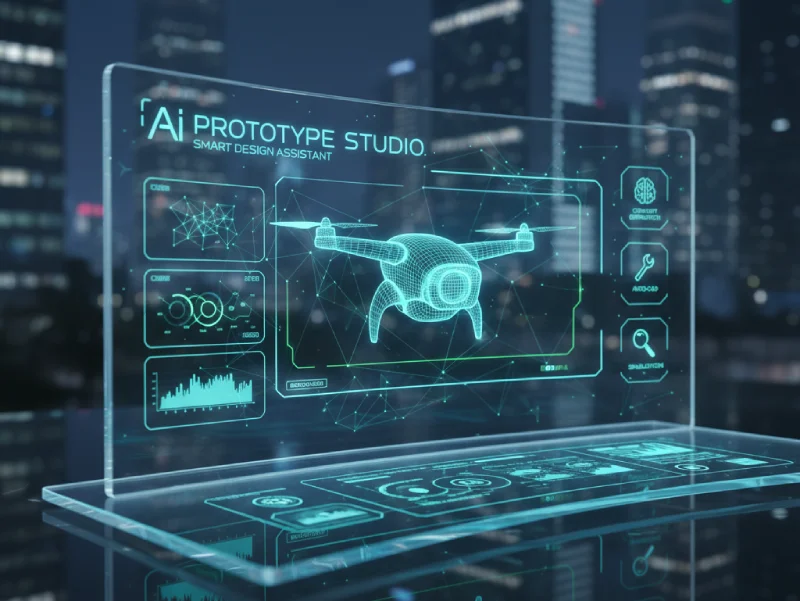
AI-powered tools like Galileo AI and Uizard can generate screens, layouts, and even working prototypes from simple text prompts or sketches. These tools reduce early-stage design time by up to 70%, allowing teams to focus on refinement and user feedback instead of drawing from scratch.
B. Smarter User Research
AI is revolutionizing user research by analyzing behavioral data, auto-tagging feedback, and summarizing qualitative insights. Tools like Useberry, Maze, and Dovetail use machine learning to speed up persona development and UX reporting.
C. Accessibility Optimization
AI tools now detect contrast issues, recommend screen-reader-friendly structures, and auto-correct layout issues that affect accessibility. This is critical for meeting WCAG standards without slowing down design sprints.
D. Personalized UX at Scale
With AI analyzing user interaction patterns in real time, designers can deliver highly tailored UI flows — like dynamic content blocks, adaptive onboarding screens, and layout changes based on user preferences.
3. Benefits for Businesses and Design Teams
- Faster Time-to-MarketAutomating repetitive tasks allows teams to deliver MVPs and feature updates in record time.
- Data-Driven CreativityAI balances instinct with insight by combining designer intuition with behavioral analytics and pattern recognition.
- Scalable PersonalizationDesign systems enhanced with AI scale better across platforms and audiences, leading to more inclusive and adaptive products.
- Reduced Design DebtBy generating clean, responsive, and reusable UI components, AI tools help reduce long-term inconsistencies and patchwork fixes.
Scalable Apps, Maximum Growth
Get a custom-built app that drives engagement and skyrockets your ROI.
Conclusion & Way Forward
AI is no longer just a design enhancement — it’s becoming central to how modern digital products are envisioned, validated, and scaled. From ideation to production-ready mockups, AI tools are helping teams design faster and smarter while staying user-focused.
At Nuvexor, we combine strong design principles with AI-powered workflows to build intuitive, efficient, and accessible digital experiences. Whether you’re a startup prototyping your first app or an enterprise redesigning a platform — our design teams help you move faster without compromising quality.


